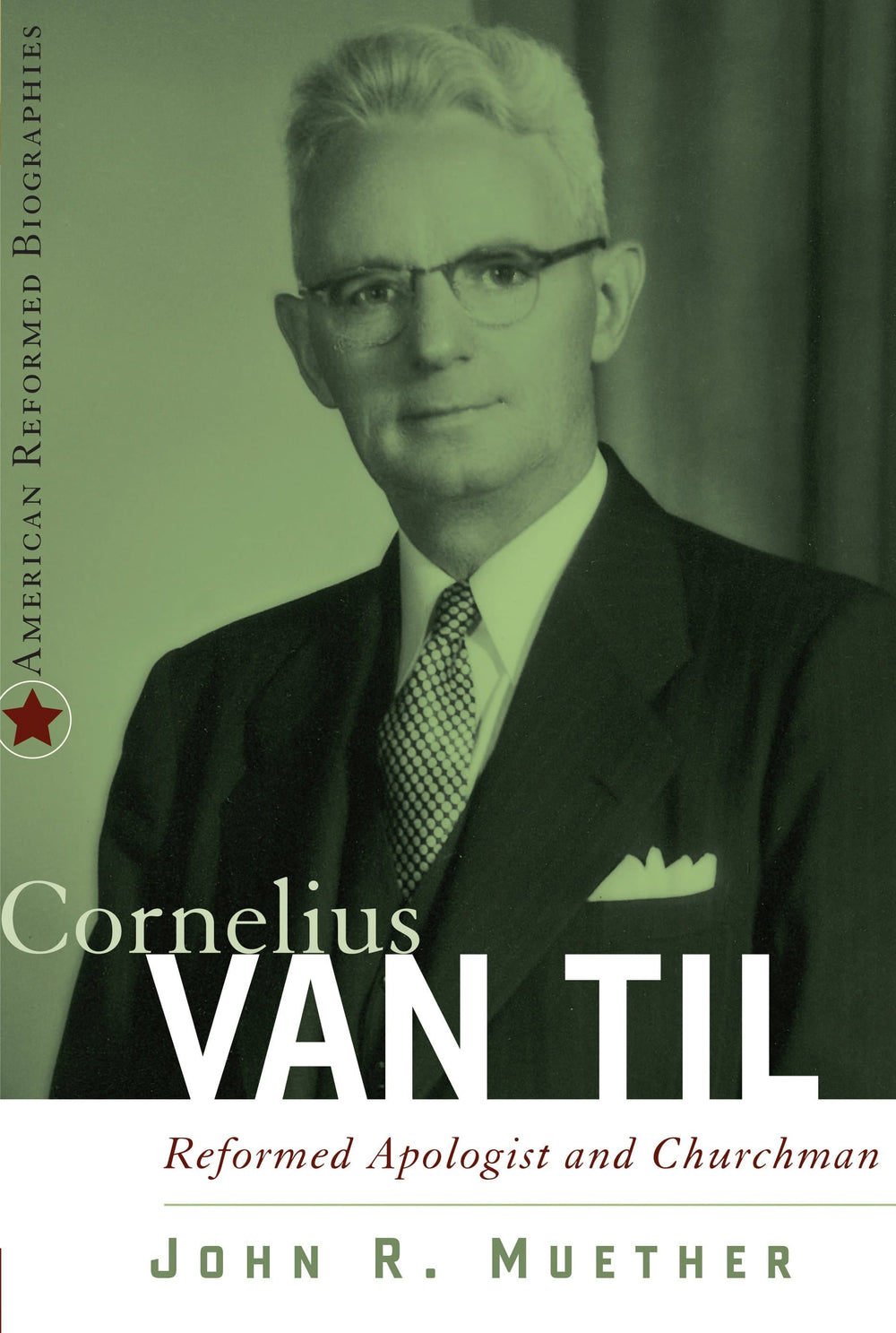
Cornelius Van Til: Reformed Apologist and Churchman
Original price was: $42.99.$12.99Current price is: $12.99.
Cornelius Van Til (1895-1987), who taught apologetics at Westminster Theological Seminary for more than forty years, has-through his teaching and writings-called two generations of thinkers to a Christian worldview and a biblical defense of the faith. Yet, twenty years after his death, conflicting claims about Van Til’s apologetic legacy abound. What most interpreters tend to overlook is his life as a Presbyterian churchman.
This biography locates Van Til in the context of twentieth-century Presbyterian and Reformed ecclesiastical struggles in America, including the formation of Westminster Seminary and the Orthodox Presbyterian Church, the rise of neo-evangelicalism and American expressions of Barthianism, and post-World War II developments in the Christian Reformed Church. As Van Til spent his life “raising high the banner of the Reformed faith,” his role in these debates arose from his hopes for a church that was self-consciously rooted in its Reformed identity.
288 pages