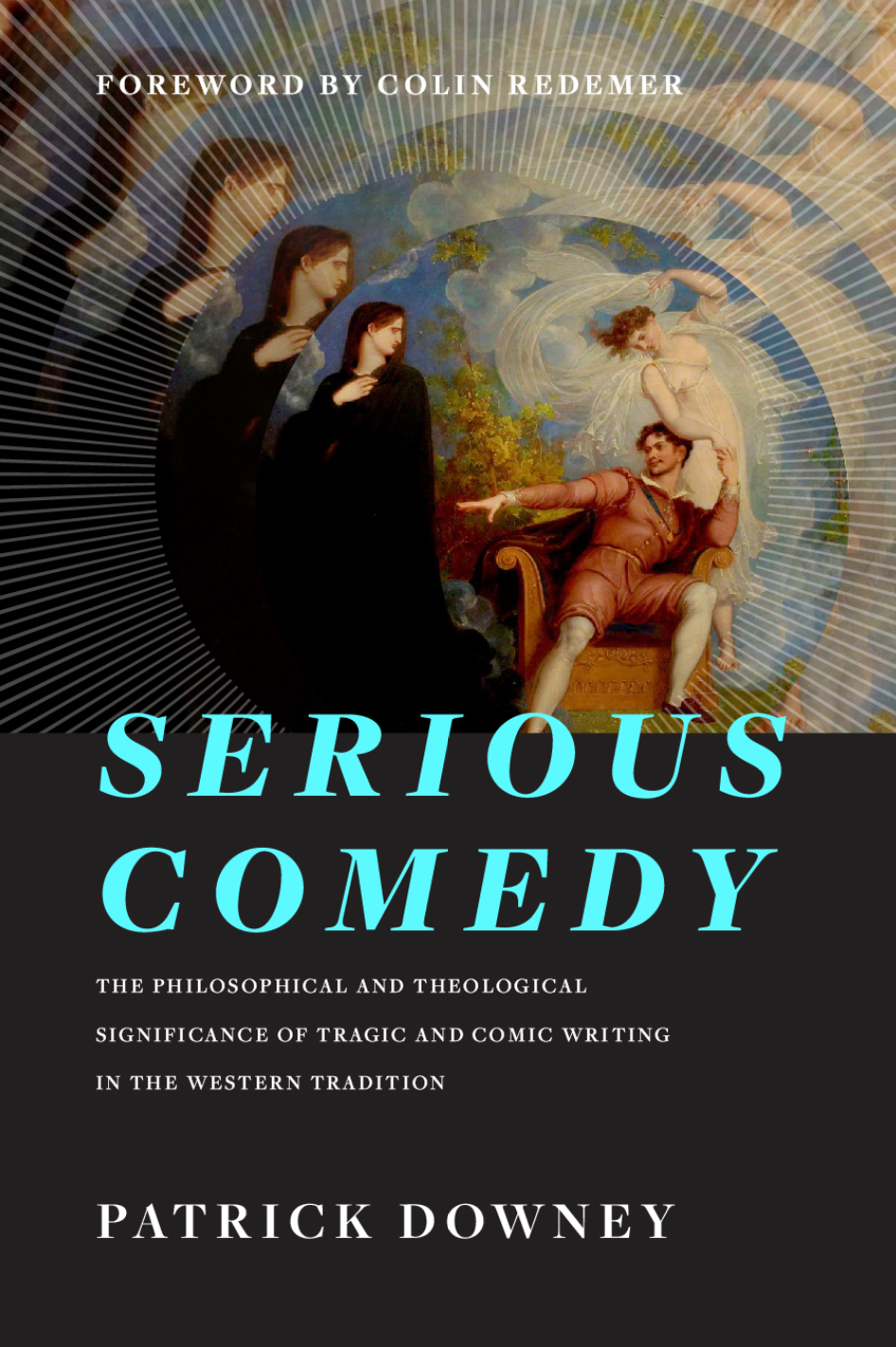
Serious Comedy: The Philosophical and Theological Significance of Tragic and Comic Writing in the Western Tradition
Original price was: $89.99.$26.99Current price is: $26.99.
Is reality a tragedy or a comedy?
The question of how seriously to take literature has vexed philosophers throughout the centuries. Are the stories we write merely noble lies told to hold society together? A means of comic detachment from a tragic world? Mimicry of transcendent truths? Potent acts of self-realization? From the Socratics to the Romantics, all of these opinions and more have been offered. In a pop-culture age in which we live out of the stories we tell, our culture needs a clear answer.
In this masterful overview of the Western literary tradition, Patrick Downey traces how seriously philosophers and writers across the centuries, from Plato to Kierkegaard, have taken humanity’s attempts at self-authorship in tragedy and comedy. These attempts, Downey argues, only find resolution in history’s most significant work of literature: the Bible. Setting all other literature in its right place, the Bible and the gospel it proclaims take us beyond literature to the true story of reality, providing what the philosophers and poets have sought for all along: a serious comedy.
424 pages.
View excerpt here.
“Patrick Downey has added a seminal chapter to the ongoing dialogue between Athens and Jerusalem that is as bold and original as it is humble and traditional. By positioning himself within a host of pre-Christian (Plato and Aristotle), Christian (Dante and Girard), and post-Christian (Hegel and Nietzsche) poets and philosophers who both complement compete with one another, Downey traces a line from pagan tragedy to Christian comedy that all Christians living in the modern world need to wrestle with. His overall thesis left me intrigued, chastened, and grateful.” – Dr Louis Markos, Professor in English and scholar in Residence, Houston Baptist University
“What is the greatest story ever told? It must, argues Patrick Downey, be the greatest ever written, as its author can only be God Himself. In such a supremely life-giving tale there is no escape from our own lived part-bracing news for poets and philosophers, perhaps, but good news, the best news, for us human beings. In a digital age when the totality of information threatens to blind us to the Gospel, Downey’s call to remember how to read who we are resounds even as it returns us more quietly to yet deeper affirmations: of the stillness and the silence beyond all writing, reading, and laughter, within which our invisible ears might begin truly to hear the Word of God.” – James Poulos, Executive Editor of The American Mind
TABLE OF CONTENTS
Foreword to the Second Edition
Preface to the Second Edition
I: Introduction
PART ONE: COMEDY AND TRAGEDY AT THE FOUNDATION OF POLITICAL PHILOSOPHY
II: Tragedy and the Truth: Aristotle’s Account of Catharsis
III: Plato’s Republic on Comedy and Tragedy
IV: Playful and Serious Writing in Plato’s Phaedrus
V: The Symposium’s Erotic Striving in Life and Writing
VI: Violence and the Tragic Plot as Scapegoat
VII: Tragedy
VIII: Comedy
PART TWO: THE BIBLE AND ITS COMIC NARRATOR
IX: The Comic Unity of the Biblical Narrative
X: Reading the Bible
XI: Reading the Bible as Comedy
XII: The Theology of a Comic Bible
PART THREE: MODERN COMEDY AND TRAGIC NOSTALGIA
XIII: Dante, Machiavelli, and the Technology Comedy of Modernity
XIV: Hegel’s Tragic Theater
XV: Nietzsche: From Tragedy to Comedy
XVI: Kierkegaard: Tragic Existence and Christian Comedy
Conclusion
Bibliography
Index